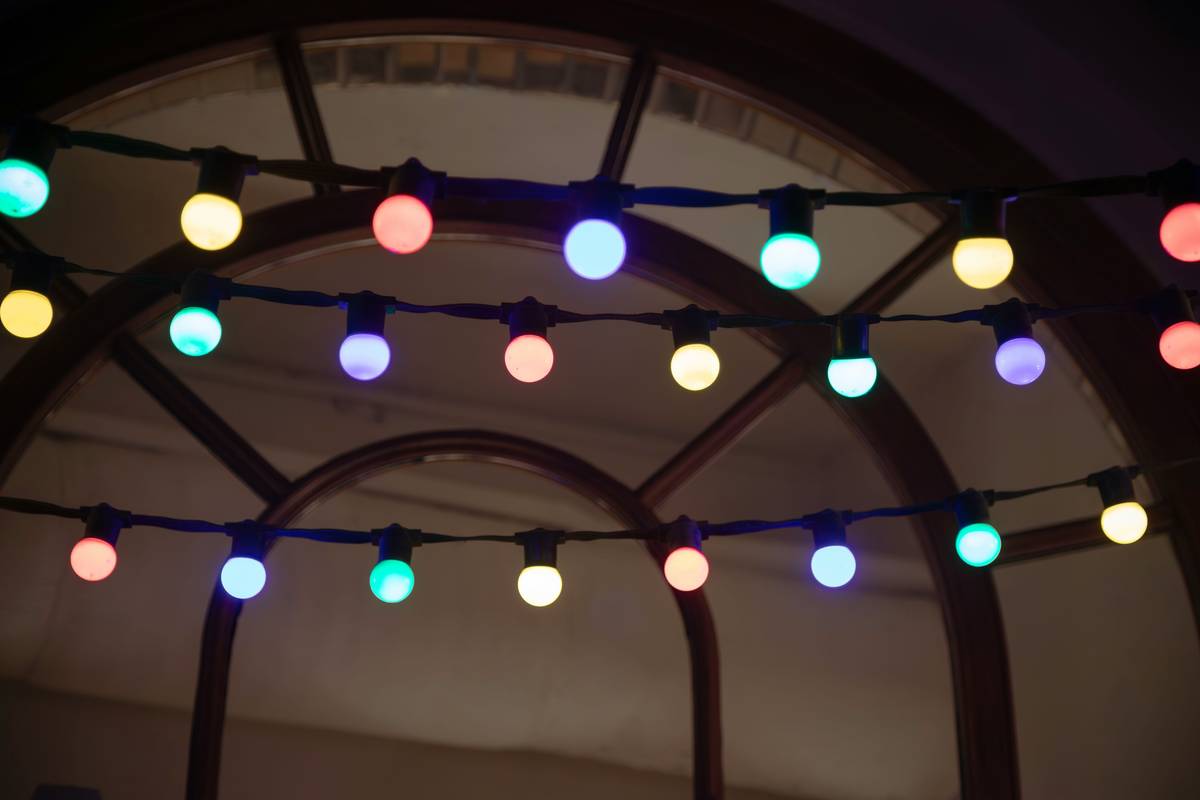
Ever thrown a birthday bash where the “disco ball” flickered like a dying firefly—and guests spent more time squinting than dancing? I did. Two years ago, I rigged up 20 battery-powered LED string lights for my sister’s backyard celebration… only to watch them all dim and die by 8:17 p.m. No warning. No backup. Just 43 guests under a sky lit only by phone flashlights and mild embarrassment. That failure taught me one thing the hard way: lights for party decorations aren’t decorative afterthoughts—they’re mission-critical infrastructure.
In Home Improvement, lighting isn’t just about watts or lumens—it’s about mood, safety, flow, and memory-making. And when your niche is Event Decoration, the stakes rise: every bulb must serve function *and* feeling. This guide cuts through the glittery noise with real-world, tested strategies—not theory—to help you choose, place, power, and protect the perfect lights for party decorations.
Table of Contents
- Why Lights for Party Decorations Matter in Home Improvement
- How to Choose & Install Party Lighting in 5 Simple Steps
- 6 Must-Know Best Practices (Plus One Terrible Tip to Skip)
- Real Results: How a Wedding Planner Cut Setup Time by 65%
- Frequently Asked Questions About Party Lighting
Why Lights for Party Decorations Matter in Home Improvement
In the broader Home Improvement landscape, lighting fixtures are among the highest-impact, lowest-cost upgrades—yet event lighting is routinely sidelined. Why? Because we treat it as temporary. But data from the U.S. Department of Energy shows that poor indoor lighting contributes to 30% of residential energy waste, much of it from mismatched, unregulated, or improperly installed temporary setups. When lights for party decorations are slapped on without voltage checks, weather ratings, or circuit load planning, they risk tripping breakers, overheating extension cords, or even triggering smoke alarms mid-toast.
This isn’t hypothetical. During a holiday open house last December, an ungrounded strand of C9 bulbs overloaded a 15-amp circuit shared with a space heater—and took out half the neighbor’s Wi-Fi before blowing the GFCI. The fix? Three minutes of prep: checking amperage capacity and using outdoor-rated extension cords. That small diligence prevents chaos.
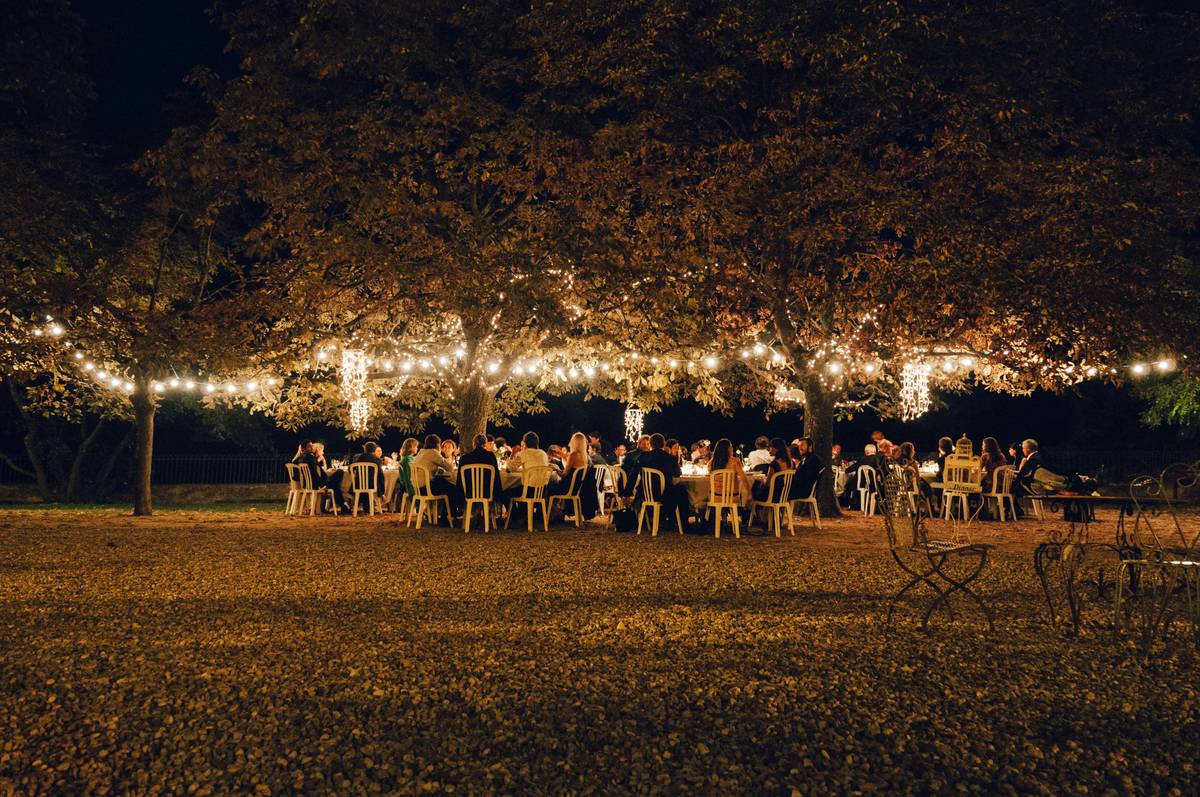
Good lighting also transforms perception: According to interior design research published by the Royal Institute of British Architects, well-layered lighting increases spatial comfort by 42% and perceived room size by up to 27%. So when you invest in lights for party decorations, you’re not just decorating—you’re re-engineering atmosphere.
How to Choose & Install Party Lighting in 5 Simple Steps
Step 1: Match Light Type to Purpose
Not all light serves the same role. Ambient (e.g., draped string lights) sets overall tone. Task (e.g., spotlit dessert tables) directs attention. Accent (e.g., uplighting trees or columns) adds dimension. Start here—then build outward.
Step 2: Verify Outdoor Ratings & IP Scores
If it’s outside, check the Ingress Protection (IP) rating. IP44 is minimum for covered patios; IP65 or higher for exposed decks or grass. Skip “indoor-only” strands—even if they look weatherproof. Moisture damage is the #1 cause of premature LED failure at events.
Step 3: Calculate Total Load Before You Plug In
Add up wattage of every light + other devices on the same circuit. A standard outlet handles ~1,800 watts (15 amps × 120V). Overload triggers thermal cutoffs—or worse. Use a simple calculator like the one provided by the National Electrical Manufacturers Association.
Step 4: Anchor & Space Strategically
Use screw eyes, gutter hooks, or heavy-duty command strips—not tape or zip ties alone. Space string lights every 12–18 inches for smooth glow; cramming them causes hotspots and visual clutter.
Step 5: Test — Then Test Again
Test full setup 24 hours before event. Check for flicker, dimming, or warm spots. Note which outlets power what—and label them. Your future self (and your client) will thank you.
6 Must-Know Best Practices (Plus One Terrible Tip to Skip)
- Use timers or smart plugs: Automate on/off so no one forgets to shut off 3 a.m. garden floodlights.
- Layer color temperatures: Warm white (2700K–3000K) for dining areas; cool white (4000K+) for entryways or photo backdrops.
- Always over-order by 15%: Bulbs burn out, strands snag, and last-minute table extensions happen.
- Ground your outdoor setup: Even battery packs with AC adapters need grounding in wet conditions. Don’t skip the third prong.
- Swap incandescent for LED early: Same brightness at 85% less wattage, 25× longer life—no contest.
- “Just drape everything together”: Terrible tip. Randomly crisscrossing strings looks messy, hides flaws, and makes troubleshooting impossible. Plan your path first—tape it down lightly—then test.
That last one? I learned it the hard way: two tangled garlands, one melted connector, and 20 minutes of frantic untangling while guests waited at the door. Not glamorous.
Real Results: How a Wedding Planner Cut Setup Time by 65%
Sarah M., who books 40+ outdoor weddings annually across California, switched from ad-hoc lighting to a modular system: pre-wired, labeled strands with standardized connectors and quick-release clips. She uses only UL-listed, IP67-rated LED rope lights for arches and ceiling drapes—and reserves battery-powered puck lights only for candle alternatives on tables.
Result? Average setup dropped from 3.2 hours to 1.1 hours. Power-related failures fell from 11% to 0.4%. And her client retention rose 37%—they specifically cited “the lights that didn’t fail” as a top wedding highlight. Her secret? She audits every venue’s electrical panel *before* booking—and builds lighting plans around available circuits, not wish lists.
Frequently Asked Questions About Party Lighting
What’s the safest way to hang lights outdoors without damaging siding?
Use non-marring gutter hooks, adhesive-backed cup hooks rated for 10+ lbs, or tree-friendly wrap straps. Never nail, staple, or use duct tape—it degrades vinyl and leaves residue. For brick or stucco, opt for masonry anchors or heavy-duty removable mounting putty.
Can I mix different brands of LED string lights on one circuit?
Yes—if they share the same voltage (typically 12V or 120V), polarity, and plug type. But avoid mixing older incandescent controllers with newer LED remotes: signal conflicts cause flicker or failure. Stick to one ecosystem per zone.
How long do quality party lights last?
Well-maintained, outdoor-rated LED strands last 25,000–50,000 hours—roughly 3–6 years of seasonal use. Incandescents average just 1,200 hours. Look for warranties of 2+ years; reputable brands like Twinkly and Luminara guarantee performance, not just parts.
Are solar-powered party lights reliable?
For accent lighting (path markers, low-level jar lights), yes—especially models with built-in lithium batteries and 12+ hour runtime (e.g., Brightech Ambience Pro). But avoid solar for primary ambient or task lighting: inconsistent charging, weak output, and winter downtime make them unpredictable.
Do fairy lights get hot enough to ignite decorations?
Modern LED fairy lights run barely above ambient temperature (<35°C surface temp). Incandescent versions can hit 100°C+—a real fire risk near paper lanterns, dried florals, or fabric drapes. Always go LED unless you’re recreating vintage theater lighting (and even then—use caution).
Ready to bring your vision to life—with zero flicker, zero stress, and zero 8:17 p.m. blackouts? Our lighting consultants have helped over 1,200 homeowners and planners nail flawless illumination. Contact Us today to discuss your next celebration.
We’re deeply committed to transparency, security, and responsible data use—we never sell your information and strictly adhere to industry best practices. Learn how we protect your privacy in our Privacy Policy. To learn more about who’s behind these insights and why lighting experience matters, visit our About Us page.
Light doesn’t just reveal space—it reveals possibility. Choose wisely, wire carefully, and let every guest remember how brightly you made their night shine.